
An English teacher’s perspective on how to build a diverse curriculum.
In October, the Black History Month theme was reclaiming narratives. However, I have yet to understand how narratives that have been ignored and subsequently marginalised from the mainstream curriculum can be reclaimed if they were never initially claimed. The classroom is a melting pot of young people from all backgrounds, and yet the stories that are predominantly taught are those that do not reflect this diversity.
One in three teaching staff think that the diversity of pupils and the world around them is not reflected in the education provided in UK schools today. The classroom is a melting pot of young people from all backgrounds, and yet the stories that are predominantly taught are those that do not reflect this diversity. Stories from British writers of colour need to be read, understood, and explored in the classroom.
This requires a sense of bravery—to step out of your comfort zone (teaching the schemes of work that you have recycled for decades, that have not changed, but you teach because there is an abundance of resources at your disposal and it saves you time)—and to teach a text, or extracts from a text, that represent the diversity in your student body.
If there is a lack of diversity (your student body is predominantly White British or White Other), it is important to use the classroom as a vehicle of cultural capital, in which you purposely embed literature from British writers of colour that can create discourse about diversity, equality, and inclusion. This aims to create a generation of young people who are kind and empathetic to others around them.
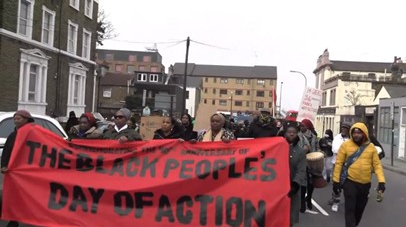
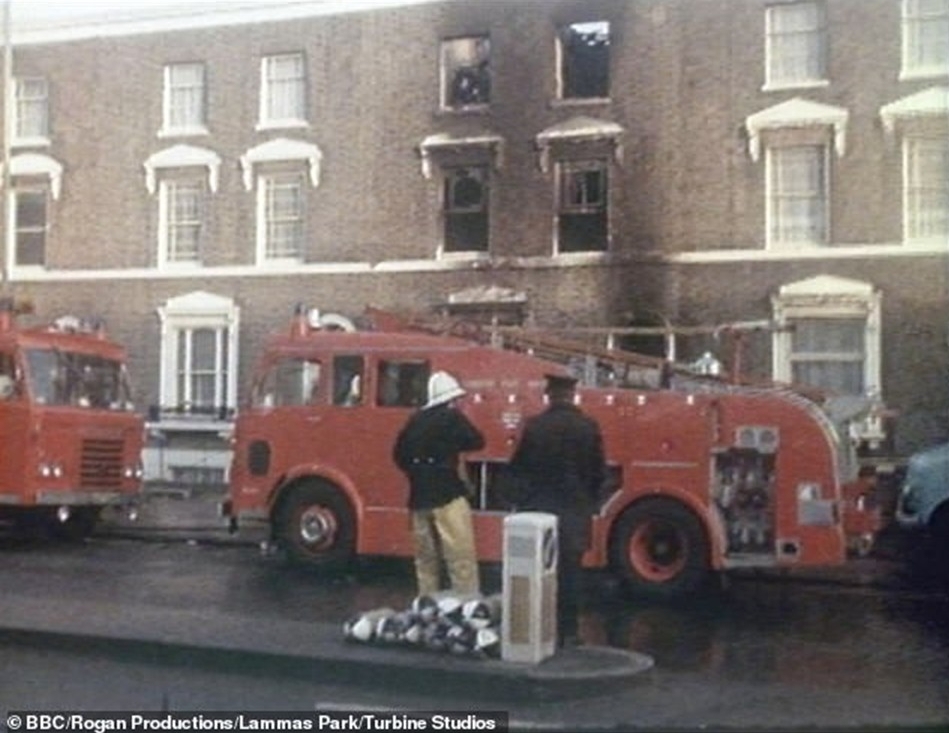
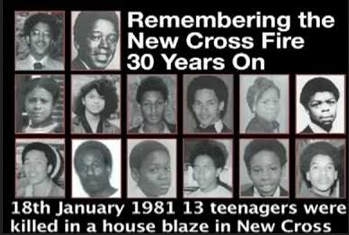
For example, I have explored the late Alex Wheatle’s East of Acre Lane in an interrelationship with Jay Bernard’s Surge and the historical context of the 1980s New Cross Fire and Brixton Riots.
East of Acre Lane by Alex Wheatle
With the time approaching 3pm, Coffin Head decided that his stint on the Front Line was over. Relieved, he made for home via Shakespeare Road, his wad of money safely tucked inside his right sock. As he walked, he pondered on what outfit he should buy for the wedding this coming Saturday. Maybe blue slacks and a silk cream shirt, he thought. Or perhaps a new Slazenger polo-neck and beige waffle trousers.
Hiss
Going in when the firefighters left
was like standing on a black beach
with the sea suspended in the walls,
soot suds like a conglomerate of flies.
You kick the weeds and try to piece it back.
Fractured shell? A bone? Bloated antennae?
Flesh thigh spindle, gangrenous pet fish?
An eye or a tiny glaring stone? A seal’s tongue?
Or the sour sinew yoking front and hind fin?
Vertebrae or fetters? Bedsheet or slave skin?
The black is coming in from the cold,
rolling up the beach walls, looking for light.
It will enter you if you stand there,
and spend the rest of its time inside you
asking whatitwas whatitwas whatitwas
in a vivid hiss heard only by your bones.

Despite a third of all school-age pupils being from minority ethnic backgrounds, only two in ten (20%) teaching staff who completed our December 2019 survey felt that Black, Asian, and minority ethnicities were ‘very represented’ in the content taught in schools. Indeed, more than a third (34%) of senior and middle leaders went as far as to say that BAME groups were not reflected in school topics, resources, and materials.
Furthermore, Lit in Colour has said that books create belonging. They help us see each other and understand one another. They shine a light on the world. Indeed, they do—but representation within the classroom appears to be fixed on a particular ethnic group. The overall percentage of students studying a text by an author of colour for GCSE in England has more than doubled, from 0.7% in 2019 to 1.5% in 2023.
Despite the support and resources provided by Penguin Lit in Colour, a large number of schools continue to choose the likes of An Inspector Calls and Lord of the Flies for English GCSE. The message becomes that—even in my GCSE years of study—these stories are not adequate or “British” enough to represent depth and literary legitimacy. Or perhaps, there aren’t enough revision guides, downloadable schemes of work, or a CGP guide (if you’re a school that can distribute these to students free of charge). As a result, the perceived risk of poor results and outcomes becomes greater than the prospect of changing the curriculum. So, another year, another book or play by a dead white man. If it’s not broken, don’t fix it, right?
I remember entering the doors of a girl’s school, to be met with the joy and enthusiasm of the minority students who saw me. They saw themselves in me—and what greater impact could be made if the classroom reflected this every day, not just in October?
Children from disadvantaged communities are twice as likely as their more advantaged peers to feel they don’t belong—and four times more likely to be excluded. The need for students to feel a sense of belonging is imperative for an enriched and successful educational experience—and, indirectly, for transforming the socio-economic outcomes of disadvantaged students in the UK.
Every story deserves to be told—inside and outside the classroom. Let’s claim these narratives for good.
Reanna Teape has been a teacher of English at Palmers Green High School and sat on the GSA Inclusion Committee.
REFERENCES
News and insights | Pearson UK
Surge | Two Poems by Jay Bernard | Granta

Reanna Teape is an experienced English teacher with a deep passion for empowering young people and driving curriculum development and reform. She founded the Black Literature Project to enhance representation and inclusion in literature education, ensuring all voices are heard. She has a strong background in equity, diversity, and inclusion (EDI), and believes in the transformative power of education and is dedicated to fostering a love for literature that resonates with every student.